Do you know what an IOC in Cybersecurity is, its uses, its features, and related benefits for organizations in the IT Industry? If not, then you are in the right place. Here, we will talk about what IOCs in cybersecurity are and related features in detail.
Moreover, we will introduce you to a reliable threat intel solution offered by a reputable VAPT service provider. What are we waiting for? Let’s get started!
What Is an IOC in Cybersecurity?
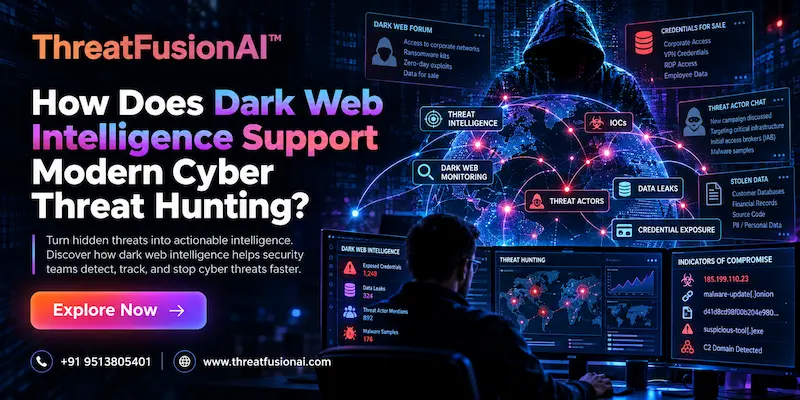
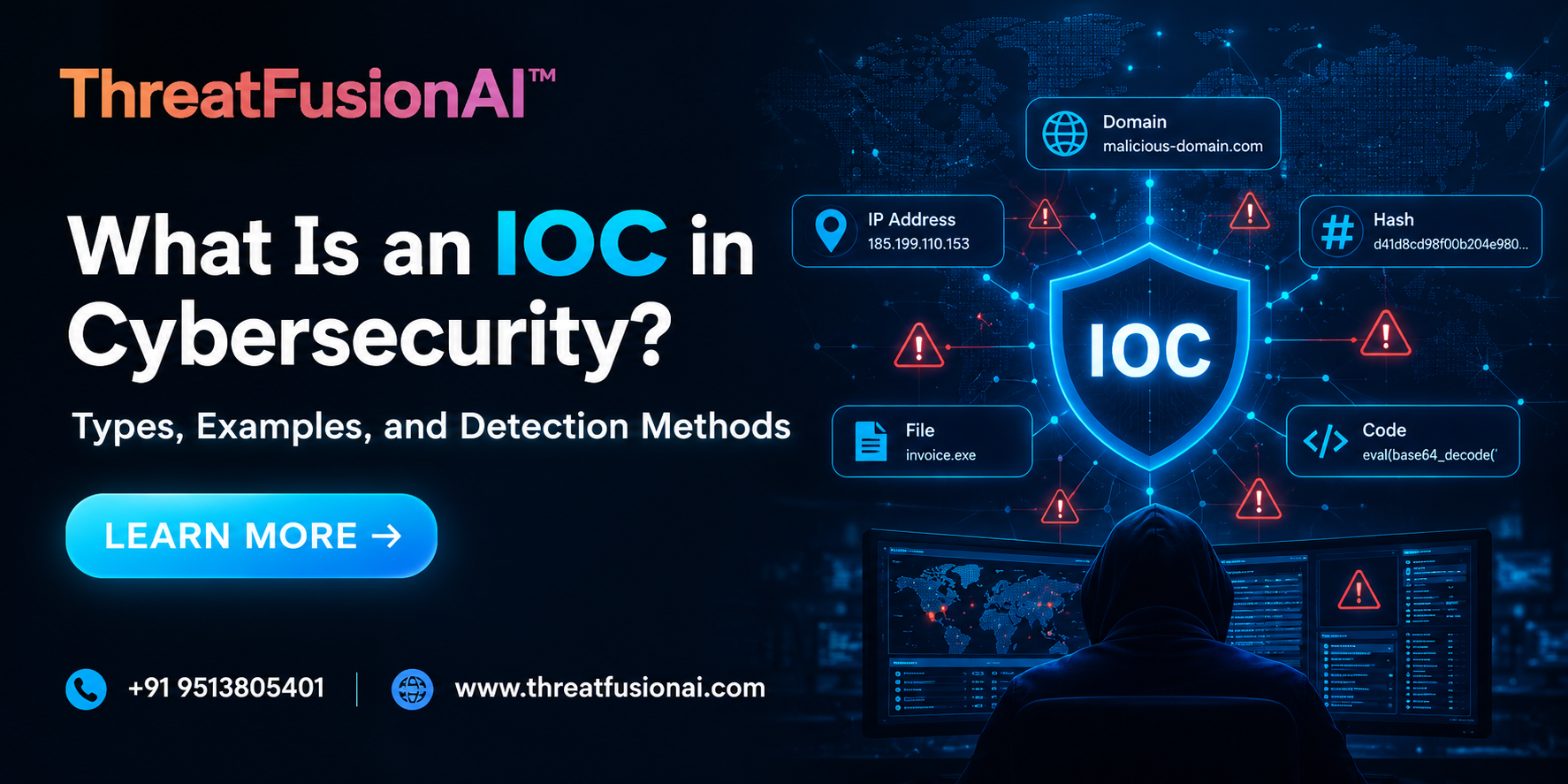
In cybersecurity, an Indicator of Compromise (IOC) is a piece of digital forensic evidence that indicates a system or network has been compromised, such as a malicious IP address, an unfamiliar hash, or an unusual surge in traffic.
In order to identify ongoing assaults, map adversary behavior, and isolate compromised assets, security teams and automated defensive platforms actively monitor and analyze these artifacts. Organizations may swiftly mitigate security issues, minimize data loss, and stop similar cyber assaults from succeeding in the future by responding to IOCs early.
Let’s take a look at what an IOC is in Cybersecurity, its uses, its features, and benefits for cybersecurity professionals!
Why Are IOCs Important in Cybersecurity?
|
S.No. |
Factors |
Why? |
|
1. |
Early Threat Detection |
Before harm spreads throughout the network, they expose covert breaches. |
|
2. |
Accelerated Incident Response |
They quickly identify impacted systems, enabling security teams to quickly contain risks. |
|
3. |
Automated Defense Integration |
They immediately stop known attacks by feeding straight into SIEM/XDR platforms. |
|
4. |
Threat Intelligence Sharing |
They enable companies to exchange threat intelligence to jointly prevent recurring attack vectors. |
|
5. |
Deeper Context and Forensics |
To explain how a breach occurred and stop it from happening again, they track the actions of adversaries. |
What Are the Different Types of IOCs?
The following are the different types of IOCs:
1. Network-Based IOCs: Unusual protocol usage, malicious domain names, suspicious IP addresses, and unapproved data transfers are examples of artifacts discovered in network traffic.
2. Host-Based IOCs: Indicators of compromise on certain endpoints, such as changed system files, rogue programs, updated registry keys, or unknown file hashes.
3. Behavioral IOCs: Activity patterns that depart from the norm, like sudden logins during off-peak hours, quick file changes, or efforts to escalate privileges.
Common Examples of Indicators of Compromise
The following are some common examples of indicators of compromised behavior:
● Unusual Outbound Network Traffic: Traffic aimed at dubious external IP addresses and unidentified domains, or large, unplanned data transfers at off-peak hours.
● Malicious File Hashes & Executables: Unverified files that match known viruses, rogue scripts, or unapproved tools, or cryptographic hashes (MD5, SHA-256).
● Abnormal Account & Authentication Behavior: Increases in unsuccessful login attempts, unforeseen concurrent logins, access during off-peak hours, or privilege escalations with hacked credentials.
● Suspicious System & Registry Changes: Unexplained adjustments to Windows Registry startup keys, updated system binaries, or unauthorized changes to essential system files.
● Surges in Database or File Access: Massive increases in read/write activities, mass file encryption attempts, or high-volume downloads from vital corporate databases.
IOC Detection Methods and Techniques
|
S.No. |
Factors |
What? |
|
1. |
Signature-Based Matching |
Instantly detects malware hashes, IP addresses, and patterns by comparing incoming files and network traffic to databases. |
|
2. |
Behavioral & Anomaly Analytics |
AI and machine learning are used to baseline typical system activity and identify abnormal deviations and potential zero-day threats. |
|
3. |
SIEM & Log Correlation |
Connects disparate security events and identifies more general threat patterns by aggregating logs from endpoints, firewalls, and cloud environments. |
|
4. |
Threat Intelligence Feed Integration |
Automatically compares internal behavior with active adversary infrastructure by ingesting real-time, worldwide threat data. |
|
5. |
Automated Deception & Tripwires |
Uses fictitious assets, such as canary files and honeypots, to quickly notify security teams when an unauthorized user interacts with them. |
How Do SIEM and XDR Platforms Use IOCs?
SIEM and XDR platforms use IOCs in the following ways:
a) Real-Time Automated Cross-Matching: Scan logs and endpoints continuously to quickly compare live telemetry with known harmful IOCs.
b) Cross-Layer Event Correlation: Link disparate IOC notifications from endpoints, networks, and emails to uncover whole attack sequences.
c) Automated Threat Response & Containment: When high-confidence IOCs occur, quick playbooks can be triggered to block IPs, revoke credentials, or isolate endpoints.
d) Contextual Enrichment & Prioritization: To rate risk and highlight important IOC warnings first, combine threat intelligence with asset value.
e) Retrospective Threat Hunting & Analysis: To find previous undiscovered breaches, compare historical logs to recently found IOCs.
How Does Threat Intelligence Improve IOC Detection?
Threat intelligence improves IOC detection in the following ways:
1. Real-Time Data Ingestion: Updates detection engines on a regular basis with malicious hashes, IP addresses, and domains that are trending internationally as new threats appear.
2. Reduction of False Positives: Adds context and confidence levels to raw indicator data, allowing security teams to concentrate solely on high-fidelity alarms.
3. Proactive Threat Hunting: Gives analysts information about the active adversary's architecture so they can look for hidden compromises before alerts are set off.
4. Accelerated Incident Triage: Helps responders select and address key threats more quickly by instantly providing opponent attribution and severity ratings.
5. Retrospective Log Matching: Finds previous, undiscovered breaches by cross-referencing recently released threat indicators with historical environment logs.
IOC vs IOA: What Is the Difference?
|
S.No. |
Topics |
Factors |
What? |
|
1. |
IOC |
Focus & Timing |
Focuses on what transpired by examining forensic evidence left behind after a system has already been compromised, such as known malware hashes or malicious IP addresses. |
|
Detection Method |
Confirms an infection or previous adversary activity via reactive, signature-based matching. |
||
|
2. |
IOA |
Focus & Timing |
Focuses on current events by examining tactics, intent, and behaviors (such as privilege escalation or unauthorized code execution) in real time, independent of the tools utilized. |
|
Detection Method |
Uses proactive, behavioral analytics to identify and halt an active intrusion before it accomplishes its goal. |
Challenges in IOC Management: False Positives and Staleness
The following are the challenges in IOC management:
● Alert Fatigue from Low-Fidelity Feeds: Infinite false positives from poor-quality feeds overwhelm SOC analysts and conceal actual threats.
● Short Lifespan and Rapid Obsolescence: Static IOCs become obsolete in a matter of hours as attackers quickly rotate IP addresses and domain infrastructure.
● Shared Infrastructure Collateral Damage: Legitimate business services and traffic are inadvertently disrupted when shared cloud or CDN IP addresses are blocked.
● Lack of Lifecycle Management & Pruning: Security tools get slower, and detection databases become bloated when historical indicators are accumulated without regular cleansing.
● Context-Free Threat Ingestion: Incident response resources are misallocated when raw IOCs are ingested without asset priority or severity scoring.
Best Practices for Managing Indicators of Compromise
The following are the best practices for managing indicators of compromise:
a) Prioritize High-Fidelity Threat Feeds: Consume verified, industry-relevant sources to cut down on false positives and eliminate noise.
b) Automate IOC Lifecycle Management and Aging: To maintain quick and up-to-date detection databases, automatically expire and prune outdated indicators.
c) Enrich IOCs with Contextual Risk Data: To concentrate analysts on important risks, pair indicators with asset severity and threat rankings.
d) Correlate IOCs with Behavioral Analytics (IOAs): To detect stealthy intrusions and zero-day assaults, combine active activity surveillance with static indicators.
e) Integrate Automated Response Playbooks: When high-confidence IOCs are detected, initiate immediate isolation, credential resets, or firewall blocks.
The IOC Lifecycle: From Discovery to Revocation
|
S.No. |
Steps |
What? |
|
1. |
Discovery & Ingestion |
Take in new information from security tools, threat feeds, and internal issues. |
|
2. |
Validation & Enrichment |
Attach asset data, threat actor context, and severity scores after confirming indication fidelity. |
|
3. |
Deployment & Active Monitoring |
To actively monitor incoming data, push validated IOCs to SIEM/XDR rules. |
|
4. |
Maintenance & Aging |
As infrastructure becomes stale, monitor indicator performance over time and lower confidence scores. |
|
5. |
Deprecation & Revocation |
To reduce database bloat and avoid false positives, automatically remove or retire out-of-date IOCs. |
Conclusion
Now that we have talked about what an IOC in Cybersecurity is, you might want to get your hands on a dedicated threat intel solution from a reliable source. For that, you can go for ThreatFusionAI, a dedicated threat intelligence platform offered by Craw Security.
ThreatFusionAI can help organizations by notifying them about the latest cybersecurity threats and deep vulnerabilities so that they can enhance their security measures for future threats. What are you waiting for? Contact, Now!
Frequently Asked Questions
About IOC in Cybersecurity
1. What Is an IOC in Cybersecurity?
A malicious IP address, an unidentified file hash, or an unusual surge in traffic that suggests a system or network has been compromised are examples of digital forensic evidence known as an Indicator of Compromise (IOC).
2. Why Are Indicators of Compromise Important?
IOCs are important for the following reasons:
a) Accelerated Threat Detection,
b) Rapid Incident Containment,
c) Automation of Security Defenses,
d) Enhanced Threat Intelligence Sharing, and
e) Forensic Context & Breach Analysis.
3. What Are the Common Types of IOCs?
The following are the common types of IOCs:
a) Network-Based IOCs,
b) Host-Based IOCs, and
c) Behavioral IOCs.
4. What Are Some Examples of Indicators of Compromise?
The following are some examples of IOCs:
a) Unusual Outbound Network Traffic,
b) Malicious File Hashes & Executables,
c) Abnormal Account & Authentication Behavior,
d) Suspicious System & Registry Changes, and
e) Surges in Database or File Access.
5. How Are IOCs Detected in Cybersecurity?
IOCs are detected in cybersecurity in the following ways:
a) Signature and Hash Matching,
b) SIEM Log Aggregation and Correlation,
c) Behavioral Analytics and Anomaly Detection,
d) Real-Time Threat Intelligence Integration, and
e) Deception Technology and Tripwires.
6. How Do SIEM Tools Use IOCs for Threat Detection?
SIEM tools use IOCs for threat detection in the following ways:
a) Real-Time Cross-Matching,
b) Multi-Source Event Correlation,
c) Automated Threat Intelligence Ingestion,
d) Contextual Enrichment and Risk Scoring, and
e) Retrospective Threat Hunting.
7. What Is the Difference Between an IOC and an IOA?
While an Indicator of Attack (IOA) offers proactive behavioral evidence that shows what an attacker is doing in real time, an Indicator of Compromise (IOC) offers reactive forensic evidence that demonstrates what has already occurred in a breach.
8. How Does Threat Intelligence Help Identify IOCs?
Threat intelligence helps identify IOCs in the following ways:
a) Global Campaign Cross-Referencing,
b) Contextual Enrichment and Attribution,
c) Infrastructure Mapping and Pivot Analysis,
d) Dark Web and OSINT Monitoring, and
e) False Positive Reduction.
9. What Are the Challenges of IOC-Based Detection?
The following are the challenges of IOC-based detection:
a) Reactive by Nature,
b) Short Lifespan and High Obsolescence,
c) High Rate of False Positives and Alert Fatigue,
d) Ineffective Against Zero-Day and Living-off-the-Land (LotL) Attacks, and
e) Database Bloat and Performance Degradation.
10. How Can Organizations Improve IOC Detection and Monitoring?
Organizations can improve IOC detection and monitoring in the following ways:
a) Integrate Real-Time, Vetted Threat Intelligence,
b) Combine IOCs with Behavioral Analytics (IOAs),
c) Automate IOC Lifecycle Management and Aging,
d) Enrich Indicators with Context and Asset Priority, and
e) Deploy Automated SOAR Playbooks.